In the ever-evolving landscape of financial markets, Forex currency trading has emerged as a popular choice for both novice and experienced traders alike. However, the choice of a Forex currency trading broker can significantly influence your trading success. Given the multitude of brokers available today, it is essential to understand the critical factors that can impact your trading experience. This guide aims to unravel the key elements that should guide your choice of a Forex broker, including trading platforms, customer support, and regulatory compliance. Additionally, we will explore some aspects of forex currency trading broker protradinguae.com, a reputable brokerage service that you may consider.
Understanding Forex Trading
Forex trading, or foreign exchange trading, involves buying and selling currencies on a global market. Unlike other financial markets, the Forex market operates 24 hours a day, five days a week, allowing traders to respond quickly to global events and economic changes. The goal of Forex trading is to exchange one currency for another in the hopes of making a profit from the fluctuating prices. To participate in this dynamic marketplace, one must connect with a Forex broker, who acts as an intermediary between traders and the market.
Types of Forex Brokers
There are generally two types of Forex brokers: market makers and ECN (Electronic Communication Network) brokers. Market makers provide liquidity by creating a market for currency pairs; they set their own prices and quote spreads accordingly. On the other hand, ECN brokers connect traders directly with the market, enabling them to trade at real-time prices set by multiple liquidity providers. Understanding the differences between these two types is crucial as it can affect your trading system and overall profitability.
Key Factors to Consider When Choosing a Forex Broker
1. Regulation
When selecting a Forex broker, the first and foremost factor to consider is regulatory compliance. A regulated broker ensures the safety of your funds and a semblance of trust within the trading environment. Different countries have distinct regulatory bodies overseeing Forex trading, such as the National Futures Association (NFA) in the U.S., the Financial Conduct Authority (FCA) in the U.K., and the Australian Securities and Investments Commission (ASIC) in Australia. Always opt for brokers that are regulated by reputable authorities to minimize your risk.
2. Trading Platforms
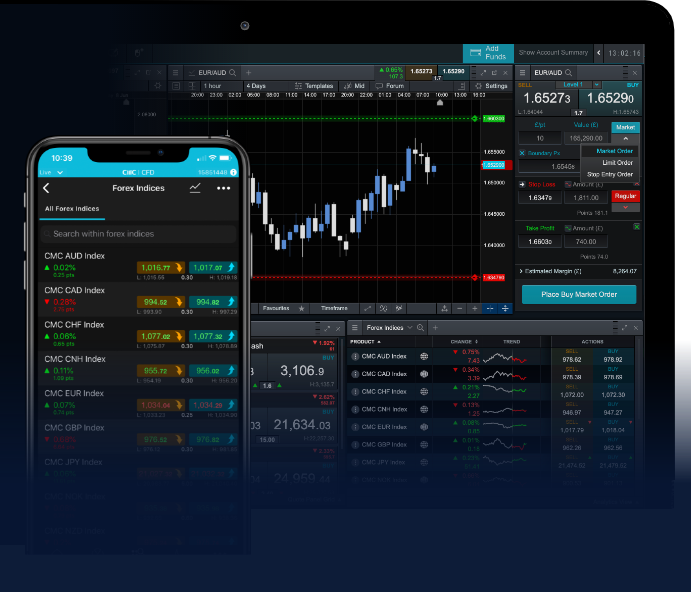
The trading platform is your primary tool for executing trades, analyzing markets, and managing your portfolio. A user-friendly interface, robust functionality, and advanced charting tools are essential for effective trading. Popular trading platforms like MetaTrader 4 and MetaTrader 5 are widely used because of their versatility and rich feature sets. Before committing to a broker, make sure to test their platform through a demo account to evaluate its performance and ease of use.
3. Spreads and Commissions
The cost of trading is another critical factor to examine. Brokers often make money through spreads (the difference between the buying and selling price) and commissions. Some brokers offer tight spreads with higher commissions, while others may provide zero commissions with wider spreads. Understanding the fee structure is vital as it directly impacts your profitability. Always compare the trading costs of different brokers to find the best deal for your trading style.

4. Customer Support
Efficient customer support is essential, especially for new traders who may require assistance. Ensure that the broker offers multiple communication channels, including live chat, email, and phone support, available during trading hours. Conducting a test inquiry can help gauge the responsiveness and helpfulness of their customer service team.
5. Leverage and Margin
Leverage allows traders to control larger positions with smaller amounts of capital. While high leverage can magnify profits, it can also increase the risk of significant losses. Most brokers offer various leverage options, and it’s crucial to choose one that suits your risk tolerance and trading strategy. Moreover, understanding margin requirements is essential to manage your trades effectively.
6. Range of Available Currency Pairs
Different brokers offer varying selections of currency pairs to trade. If you have a specific trading strategy focusing on particular pairs, ensure that your selected broker provides access to them. Brokers that offer a broad range of currency pairs can provide more versatility for day trading, scalping, and long-term trading strategies.
7. Education and Resources
A broker that provides educational resources such as webinars, tutorials, and market analyses can be extremely beneficial, especially for new traders. Access to quality trading education can significantly enhance your trading skills and knowledge of the Forex market.
Choosing the Right Broker: Final Thoughts
In conclusion, selecting the right Forex currency trading broker is a decision that should not be taken lightly. It can significantly affect your trading experience and overall success in the Forex market. By carefully evaluating factors such as regulation, trading platforms, spreads, customer support, leverage, available currency pairs, and educational resources, you can find a broker that aligns with your trading goals and preferences.
Lastly, as you delve into Forex trading, consider reputable options like protradinguae.com, which offers a range of trading tools and resources tailored to both beginner and experienced traders. Always conduct thorough research and use demo accounts to gain experience without financial risk, ensuring a well-rounded trading journey in the Forex market.