
What is Forex Trading? A Comprehensive Overview
Forex trading, also known as foreign exchange trading, is the process of buying and selling currencies in the global marketplace. It is one of the largest and most liquid financial markets in the world, with a daily trading volume exceeding $6 trillion. This incredible scale provides ample opportunities for individuals and institutions alike to engage in currency trading, and potentially profit from fluctuations in exchange rates. To understand Forex trading better, let’s explore its fundamental concepts, how transactions function, and the strategies involved in becoming a successful trader. For more in-depth information, visit what is forex trading https://acev.io/.
The Basics of Forex Trading
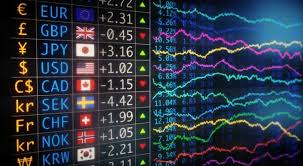
At its core, Forex trading revolves around the exchange of one currency for another. Currency pairs are a fundamental aspect of this trading practice, expressed in such a way that one currency is quoted against another. For example, in the currency pair EUR/USD, the Euro is the base currency, while the US Dollar is the quote currency. When you trade this pair, you speculate on the value of the Euro concerning the Dollar. If you believe the Euro will strengthen against the Dollar, you would buy the pair. Conversely, if you expect the Euro to weaken, you would sell it.
How Forex Trading Works
Forex trading operates through a network of banks, brokers, and financial institutions, which provide a platform for individuals to buy and sell currencies. Unlike stock markets, which have a centralized exchange, the Forex market operates 24 hours a day, five days a week, facilitated by the global financial centers in different time zones. Traders can access the market at any time, allowing for continuous trading opportunities.
Key Components of Forex Trading
Understanding the key components of Forex trading is vital to success in the market. Here are some essential elements:
1. Currency Pairs
As mentioned earlier, currency pairs are fundamental to Forex trading. These pairs are categorized into three main types: major pairs, minor pairs, and exotic pairs. Major pairs include the most commonly traded currencies, such as EUR/USD and USD/JPY. Minor pairs consist of currencies that are less frequently traded, like GBP/AUD. Exotic pairs involve a major currency paired with a currency from a developing economy, such as USD/TRY (Turkish Lira).
2. Pips
A “pip” stands for “percentage in point” and is the smallest price move that a currency pair can make based on market convention. For most pairs, it is usually 0.0001. Understanding how to calculate pips is crucial for measuring profit and loss in Forex trading.
3. Leverage
Forex trading allows for high leverage, meaning you can control a large position with a relatively small amount of capital. For example, a leverage of 100:1 means that for every $1 you have in your account, you can control $100 in the market. While leverage can magnify profits, it also significantly increases risk, making it essential for traders to manage their risk carefully.
4. Spread
The spread is the difference between the buying price (ask price) and the selling price (bid price) of a currency pair. It represents the cost of trading and can vary depending on market conditions and brokerage offerings. Traders need to consider the spread when evaluating potential trades.
Types of Forex Traders
Forex traders can be categorized into several types based on their trading strategies and timeframes:
1. Day Traders
Day traders execute multiple trades within a single day, aiming to profit from short-term price movements. They often close all their positions by the end of the trading day to avoid overnight risks.
2. Swing Traders
Swing traders hold positions for several days or weeks, capitalizing on expected price swings. They typically rely on technical analysis to identify entry and exit points.
3. Position Traders
Position traders take a long-term approach, holding positions for months or even years. Their strategy is often based on fundamental analysis, focusing on macroeconomic factors that influence currency values.
Strategies for Successful Forex Trading
To be successful in Forex trading, one must develop and incorporate effective trading strategies. Here are some popular strategies used by traders:
1. Technical Analysis
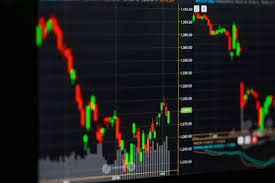
Technical analysis involves analyzing price charts and using various indicators to predict future price movements. Traders look for patterns, trends, and signals that can inform their trading decisions.
2. Fundamental Analysis
Fundamental analysis focuses on economic indicators, news events, and geopolitical developments that can impact currency values. Traders analyze factors such as interest rates, inflation, and employment data to make informed decisions.
3. Risk Management
Effective risk management is crucial in Forex trading. This includes setting stop-loss levels, identifying risk-reward ratios, and never risking more than a certain percentage of your trading capital on a single trade.
Conclusion
Forex trading offers a unique opportunity for individuals and institutional investors to engage in the global economy. Understanding the fundamental concepts of currency trading, including currency pairs, pips, leverage, and market behavior, is vital for success. By developing sound trading strategies and managing risk effectively, traders can navigate the complexities of the Forex market and potentially reap significant rewards. If you’re interested in exploring the world of Forex trading, consider further education and practice on demo accounts to build your skills before entering the live market. Happy trading!