
The Ultimate Guide to Forex Trading Indicators
In the world of Forex trading, indicators play a crucial role in assisting traders to make informed decisions. Understanding these tools can provide a significant edge over others in the market. In this comprehensive guide, we will delve into various types of Forex trading indicators, their meanings, functions, and how to apply them in your trading strategy. For more information and resources, you can visit forex trading indicators onlinetrading-cm.com.
What Are Forex Trading Indicators?
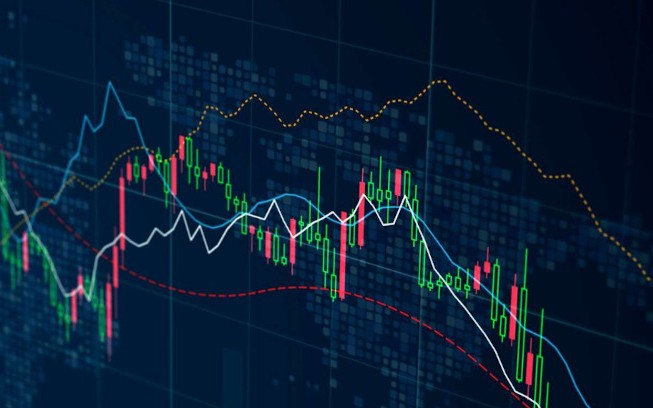
Forex trading indicators are mathematical calculations based on price, volume, or open interest of a currency pair. They provide visual cues through charts and graphs, helping traders understand market trends, price movements, and potential reversals. There are two major categories of indicators: leading and lagging indicators.
Leading Indicators
Leading indicators are used to predict future price movements based on current market conditions. They are proactive in nature, providing early signals about potential reversals in the market. Here are some commonly used leading indicators:

- Relative Strength Index (RSI): A momentum oscillator that measures the speed and change of price movements. RSI values range from 0 to 100, with 70 indicating overbought conditions and 30 indicating oversold conditions.
- Stochastic Oscillator: This indicator compares a particular closing price of a currency pair to a range of prices over a specified period. Values above 80 indicate that the asset may be overbought, while values below 20 suggest it may be oversold.
- MACD (Moving Average Convergence Divergence): This trend-following momentum indicator shows the relationship between two moving averages of a security’s price. Traders typically look for divergences between MACD and price for potential trade signals.
Lagging Indicators
Lagging indicators provide signals based on past price movements and are primarily used to confirm trends rather than predict them. They are essential for confirmation, providing traders with confidence in their strategies. Some popular lagging indicators include:
- Moving Averages: Simple Moving Averages (SMA) and Exponential Moving Averages (EMA) are widely used to smooth out price data and identify trends over different time frames.
- Bollinger Bands: This indicator consists of a middle band (SMA) and two outer bands that represent volatility. A squeeze of the bands indicates potential future volatility and price movement.
- Average True Range (ATR): ATR measures market volatility and helps traders understand how much prices are likely to move over a specific period.
How to Choose the Right Indicators
The choice of indicators often depends on a trader’s strategy, risk tolerance, and trading style. Here are a few tips to help select the right indicators:
- Define Your Trading Style: Scalpers may prefer short-term indicators, while long-term traders might benefit from indicators that analyze broader trends.
- Combine Indicators: Utilizing a combination of leading and lagging indicators can provide a more comprehensive view of market conditions.
- Avoid Overcomplication: Too many indicators can lead to confusion. Focus on a few reliable indicators that you understand well.
Developing a Trading Strategy with Indicators
To maximize the effectiveness of indicators, it’s essential to develop a cohesive trading strategy. Here’s a basic framework:
- Set Goals: Determine what you aim to achieve with your trading investments, whether it’s income, capital gains, or both.
- Select Indicators: Choose your preferred indicators based on the market conditions and your trading style.
- Backtest Your Strategy: Utilize historical data to see how your indicators would have performed in the past. This will help refine your strategy.
- Create Trading Rules: Define entry and exit points based on your chosen indicators, as well as risk management rules to prevent excessive losses.
The Importance of Risk Management
No trading strategy is complete without robust risk management practices. Using indicators should be part of a larger risk management framework. Key risk management strategies include:
- Position Sizing: Determine the amount of capital to risk on each trade based on your overall portfolio size and risk tolerance.
- Stop-Loss Orders: Set stop-loss orders to minimize losses if the market moves against your position.
- Diversification: Spread your trades over different currency pairs to reduce the risk associated with any single asset.
Conclusion
Forex trading indicators are essential tools that can aid traders in making informed decisions. By understanding both leading and lagging indicators, developing a strategy, and employing sound risk management practices, traders can significantly enhance their trading performance. Whether you are a novice trader or a seasoned professional, effectively using indicators can greatly increase your potential for success in the Forex market.